Mrs L Taylor - Head of Department
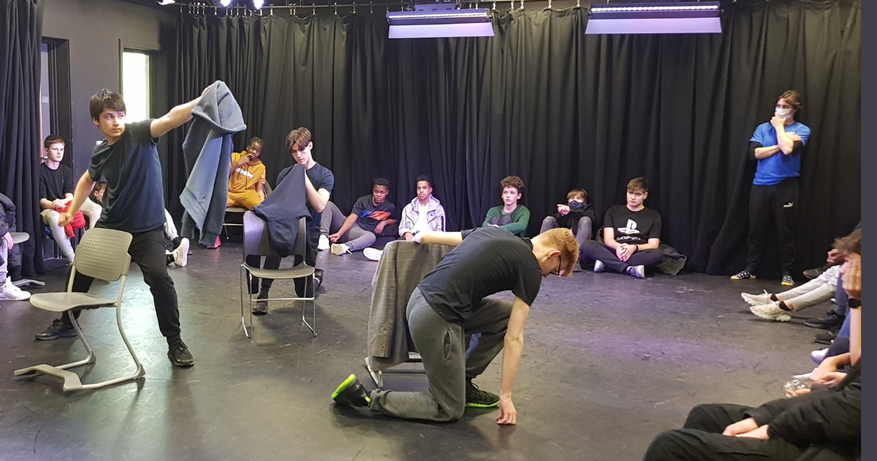
Drama is an art form, a practical activity and an intellectual discipline. At St Ambrose College Drama is an artistic, yet highly academic subject. Reading, interpreting and writing scripted dramatic texts, requires appreciation of social, historical, cultural, political and economic contexts, whilst also developing knowledge and understanding of form, genre, and style. Drama lessons encourage enquiry skills and artistic creativity, they involve the exploration, representation and development of imagination. In all lessons, students are encouraged to value human dignity as they learn to listen to each other and respect differences of opinion. They develop empathy, sensitivity and consideration for others ,and in doing so gain a greater appreciate of peace. They work as team members for the common good, problem solving and co-operating, cementing their solidarity. They consider contemporary concerns such as social justice, war, crime and punishment and reflect on their own lives and the lives of others, developing their expression of thought and feelings.
Through drama students can develop highly transferable skills in communication, risk-taking, team work and leadership to better their future prospects, adding significantly to their cultural capital. As Kelly Pollock, leader at COCA-Center of Creative Arts says “The true purpose of arts education is not necessarily to create more professional dancers or artists. It’s to create more complete human beings who are actual critical thinkers, who can have curious minds, who can lead productive lives”. Jesus gives us two commandments: to love the Lord and to love others as we love ourselves (Matthew 22:37–40). In Drama, when we steward our talents, we honour Him and bless others.
WHY STUDY DRAMA?
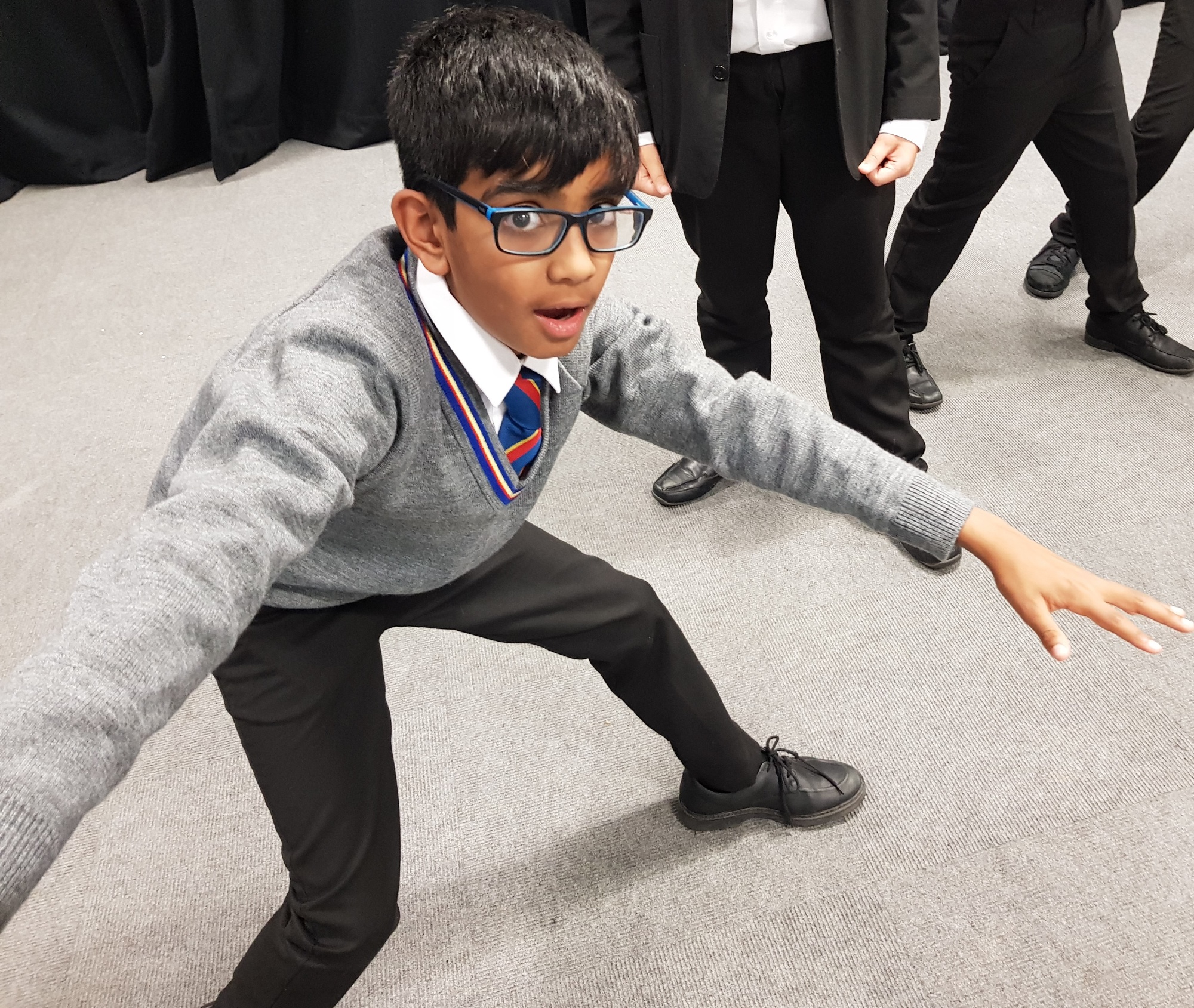
Studying drama helps develop transferable skills that are highly desirable for a wide range of future studies and careers.
In this subject, students won’t be told ‘right’ answers, instead they will think for themselves as they problem-solve to find their own imaginative solutions.
Drama students develop skills in creativity, leadership, teamwork, research, communication and analysis. They learn how to work under pressure, managing time deadlines as they respond to new and often unexpected circumstances.
For many students this subject offers the opportunity to build self-confidence and resilience and the chance to explore thoughts, feelings and emotions of other people.
Here’s what our current Year 7 students and their families say about Drama;
Drama is putting me in someone else’s shoes
Drama is a way of expressing your feelings through acting. It’s not just a way of improving in acting but a way of improving as a person
Drama is having fun!
Drama can help individuals make more friends, as collaborating with people can help adolescents and youngsters become more social
Drama is all about working together
Drama is stepping from your comfort zone. You can be anything. It’s not solely about acting. You can learn skills you can use
Drama is acting life on stage
When there are lots of people joining in the same thing you feel a satisfaction and a strong sense of unity
LOWER SCHOOL DRAMA
Drama is taught twice per fortnight in year 7, then once per fortnight in year 8 and 9. Lessons include a wide range of exercises aimed at developing confidence, control and performance skills as well as knowledge of theatre history, style and genre.
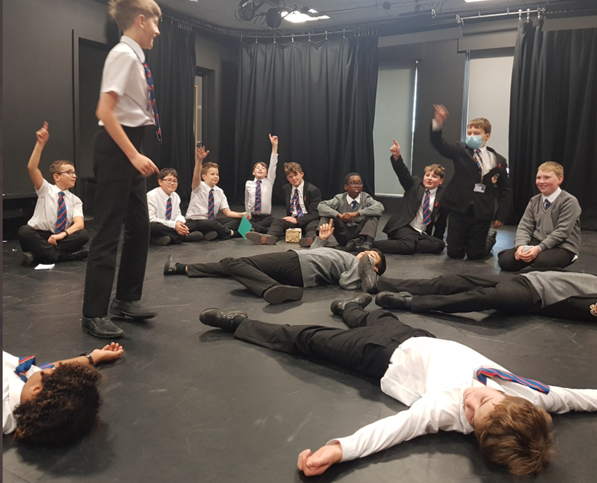
There are opportunities for students to work independently and in groups. Developing a strong sense of team and trust is at the core of all lessons.
GCSE DRAMA
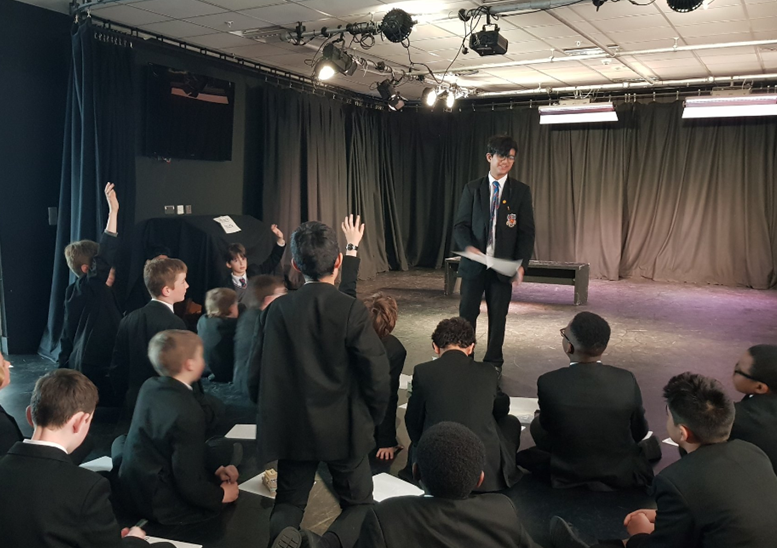
Studying Drama at GCSE level (AQA) is a popular choice for students. The course is rich with opportunities to inspire, motivate and challenge students, who may elect to be assessed as an actor or designer (set, lighting, sound or costume).
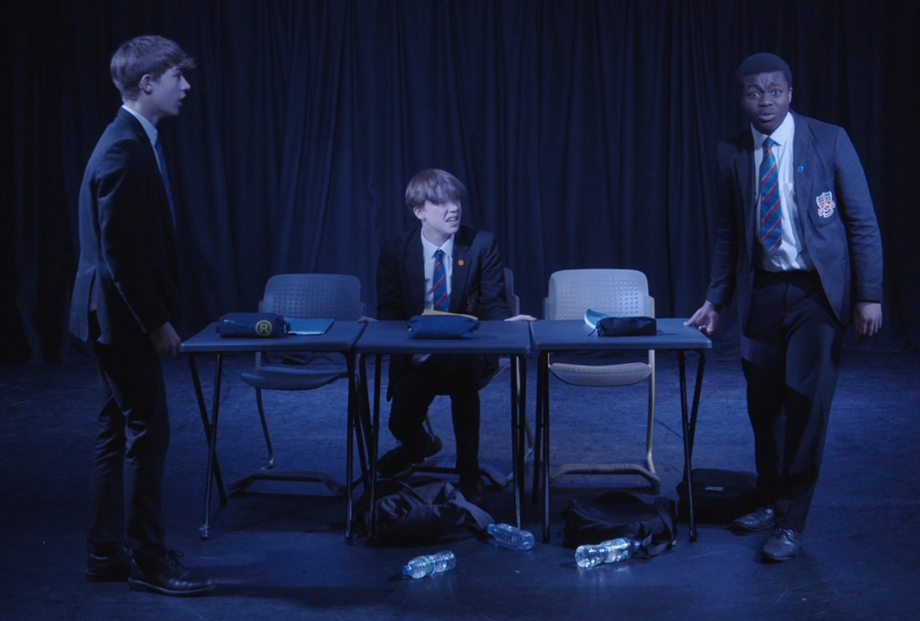
Assessment at GCSE is through written examination at the end of Year 11 and NEA controlled coursework which includes practical work and a written log documenting the creative process.
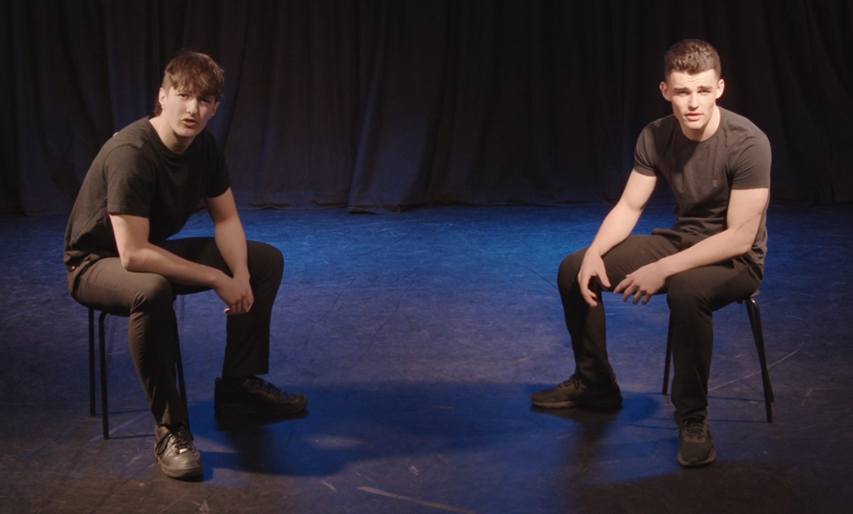
During the two-year course students hone their creative skills by studying and performing a variety of published plays and learning a range of drama techniques to support the creation of their own devised piece. Regular theatre visits enable students to critique the work of professional theatre makers, and often prove to be inspirational in future performance work.
ADVANCED LEVEL
Studying Drama at Advanced Level (AQA) offers a higher level of challenge for students to develop skills or specialise in performing, directing, lighting, sound, set, costume and puppet design.

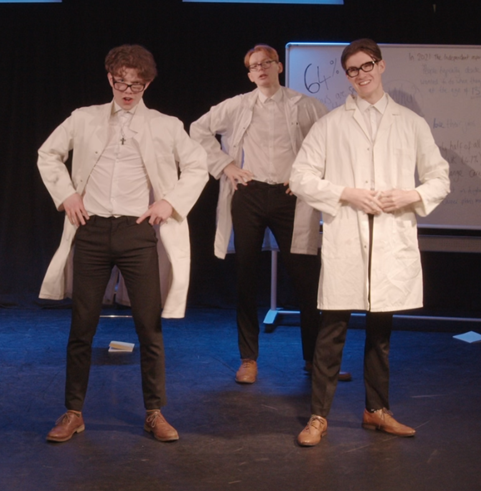
The course is assessed by a 3 hour written examination, practical examination and NEA controlled coursework.
At advanced level the course emphasises practical creativity alongside research and theoretical understanding. Students learn through experience, seeing theatre and making theatre for themselves. They are introduced to a wide range of theatrical styles, practitioners and contexts as they explore plays practically, devise and work on performances.